For new manga artists, creating the work is only part of the process. The other challenge is finding a place where that work can be seen, discussed and understood.
The digital era has made publication more accessible. Artists can share pages online, build audiences through social media and submit work to international platforms. At the same time, the sheer volume of online content means that even strong work can disappear quickly.
For emerging creators, visibility is therefore not only about exposure. It is about context.
An exhibition gives artwork physical presence and time. It allows audiences to study a page, notice the construction of a character and understand how individual images belong to a wider artistic practice. It also presents the artist as a developing creator, rather than as another name in a digital feed.
This was one of the key functions of Manga Nouvelle, the exhibition of contemporary French manga and illustration presented at the French Institute of Larissa. By bringing together emerging creators within a cultural institution, the exhibition introduced their work to audiences beyond established manga communities.
Among the participating artists was Fish Masahiro, whose work reflects the increasingly international environment of contemporary manga.
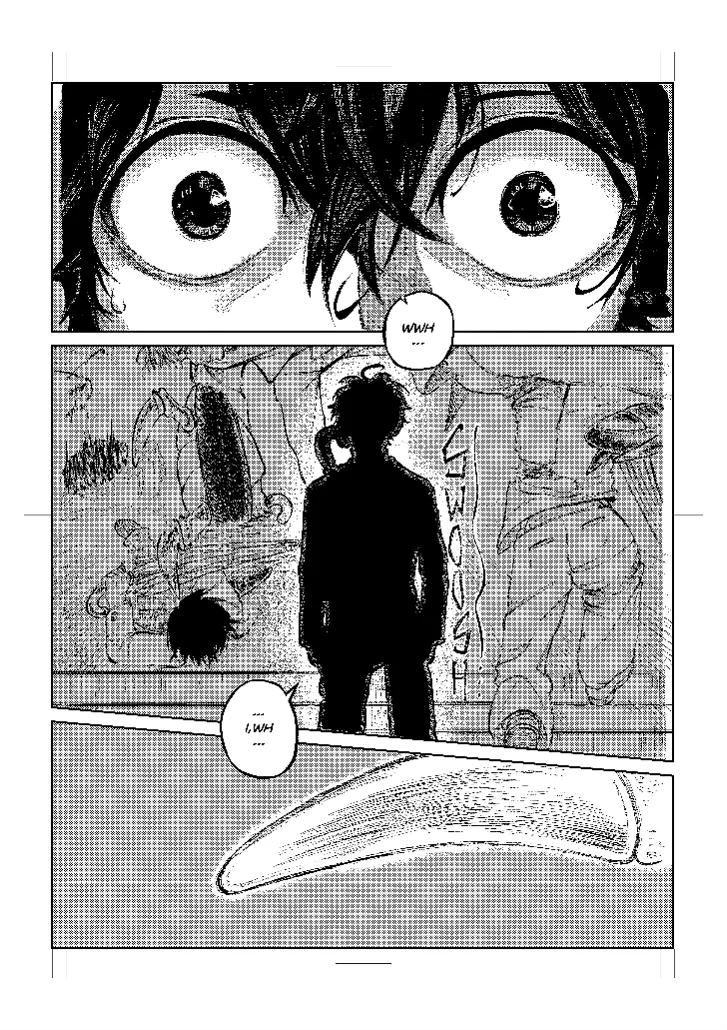
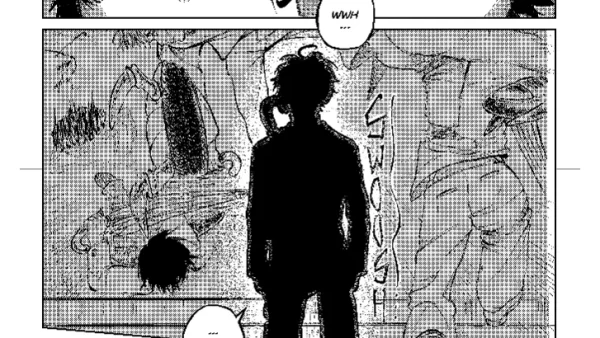
Fish Masahiro presented Tokyo Gutter #001 through MANGA Plus Creators by SHUEISHA, a platform that allows artists from different countries to publish original manga and reach international readers. Through social media, he also shares artwork, character studies and elements of his creative process, building a more direct relationship with audiences.
These digital tools are important, but they do not make physical exhibitions unnecessary. In many ways, they make them more valuable.
Online platforms support distribution, while exhibitions provide selection, framing and recognition. They place artists in conversation with other creators, institutions and local audiences. They also give visitors the opportunity to encounter independent work they may not discover through conventional commercial channels.
This matters because manga is often discussed through its most successful titles. Yet the future of the medium also depends on smaller projects, one-shots and creators who are still developing their visual language.
Emerging artists are often able to take greater formal risks. They can experiment with genre, pacing, structure and subject matter without the expectations attached to major franchises. Exhibitions create space for this experimentation to be taken seriously.
They also help build networks. Artists meet other creators and cultural organisations, audiences discover new work, and younger visitors begin to see manga not only as something they consume, but as a form they can actively enter.
The value of Manga Nouvelle therefore extended beyond the artworks on display. It created conditions for visibility, exchange and future collaboration.
Fish Masahiro’s participation demonstrates how different forms of exposure can work together. A creator can publish through an international digital platform, maintain a direct online presence and also present work within a physical exhibition. Together, these spaces form the environment in which new artistic careers can develop.
Talent remains essential, but talent also needs structures around it: platforms that allow work to circulate, institutions willing to exhibit it and audiences prepared to spend time with it. The SONDER project and COMMEDI played a central role in creating those conditions. By connecting emerging artists, cultural institutions and local audiences, they helped turn Manga Nouvelle into more than an exhibition. It became a practical example of how new creators can be supported, presented seriously and introduced to wider publics.